The Interconnection of Recycling, Composting, and Consumerism
4 March 2025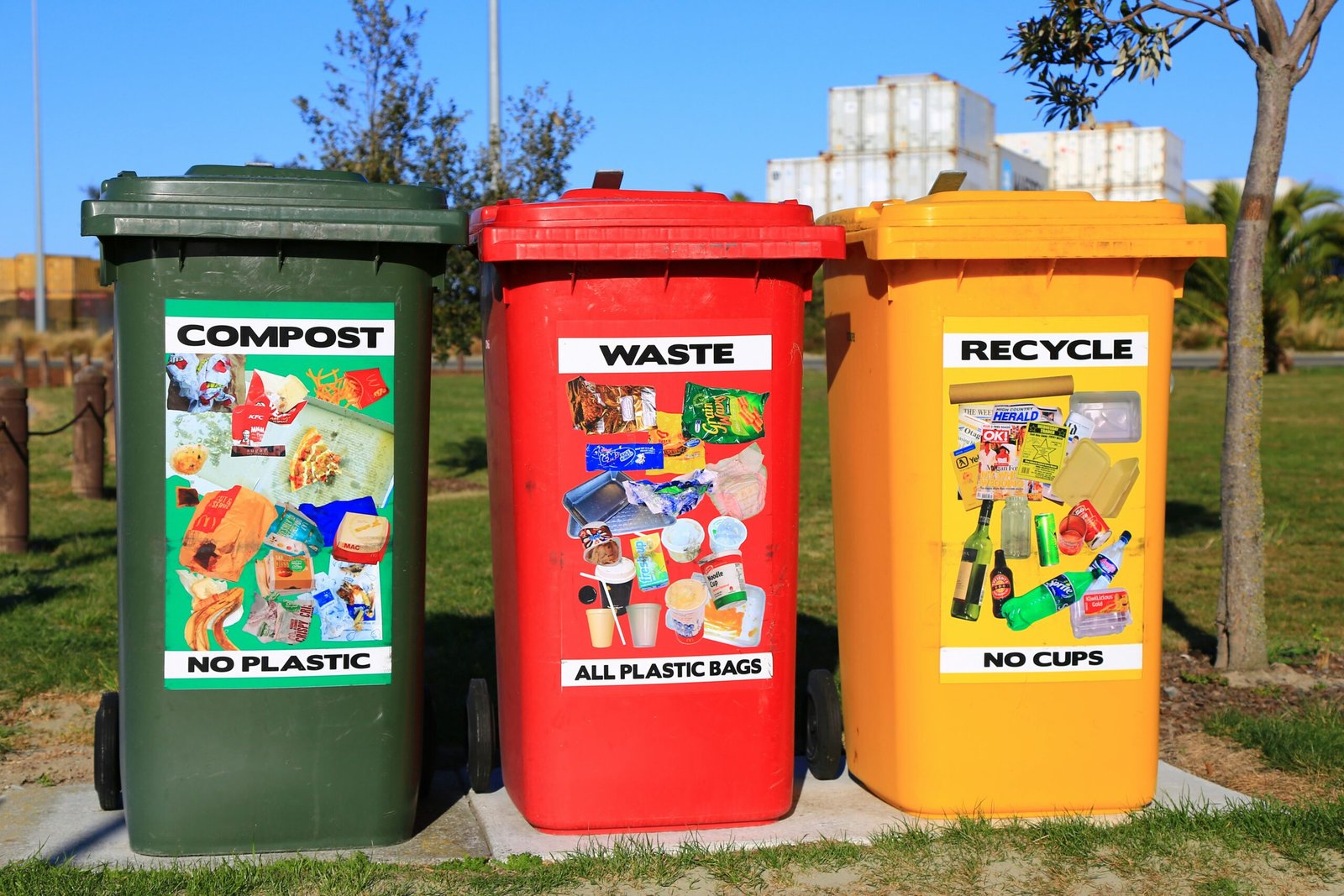
Understanding Consumerism and Its Impact
Consumerism, a prevalent aspect of modern society, can be defined as the cultural orientation that encourages the acquisition of goods and services in ever-increasing amounts. Its roots are deeply embedded in the fabric of contemporary living, shaping how individuals perceive their needs and desires. The rise of consumerism has been significantly influenced by various factors, including societal expectations, economic developments, and technological innovations. As living standards have improved over the decades, so too has the propensity for consumers to seek out new products, often driven by a combination of marketing strategies and social pressures.
The emergence of mass production in the early 20th century paved the way for an abundance of consumer products, fundamentally altering the dynamics of supply and demand. This shift not only increased access to goods but also established a culture of convenience, where immediacy and availability became paramount. Consequently, consumers find themselves in a continuous cycle of purchasing, often trading their satisfaction for the novelty of the latest offerings. The economic landscape further fuels this behavior, as consumer spending is often deemed a vital driver of economic growth. As such, individuals may feel obliged to participate in consumer activities to contribute to the economy, creating a potential conflict between personal values and societal expectations.
Moreover, technological advancements have played a critical role in shaping consumer habits. The digital age has revolutionized how consumers interact with products, facilitating instantaneous access to information and resources. Online shopping, social media, and targeted advertising have collectively magnified the influence of consumerism, resulting in an increased dependency on products. This dependence, while improving accessibility and convenience, raises concerns about sustainability and environmental impact. The prevalent throwaway culture has resulted in excessive waste generation and resource depletion, inevitably leading to the pressing need for effective recycling and composting practices as a response to our consumption-driven lifestyles.
The Role of Recycling in Mitigating Waste
Recycling plays a critical role in waste management by transforming materials that would otherwise be discarded into valuable resources. The process involves collecting, sorting, and processing recyclable materials—such as paper, glass, metals, and plastics—into new products. This not only reduces the volume of waste sent to landfills but also conserves natural resources, decreases energy consumption, and lowers greenhouse gas emissions, thereby contributing to sustainability efforts on multiple fronts.
One of the most significant advantages of recycling is its environmental impact. For instance, recycling aluminum can save up to 95% of the energy required to produce new aluminum from raw materials. Similarly, recycling paper helps reduce the number of trees cut down for pulp, mitigating deforestation. The implications of these energy savings extend beyond environmental conservation; they also translate into economic benefits. By recycling, communities can lower waste disposal costs while creating jobs associated with the recycling industry, which is continually expanding.
The correlation between consumer behavior and recycling efforts cannot be understated. As consumerism rises, so does the production of potentially recyclable materials. However, ineffective recycling practices can lead to contamination, reducing the overall effectiveness of recycling programs. To maximize the potential of recycling, consumers must be educated about proper disposal methods and the importance of recycling in combating waste. Thus, addressing overconsumption through conscious purchasing can not only diminish the total volume of waste generated but also enhance the efficiency of recycling initiatives.
In conclusion, recycling plays an essential role in mitigating waste, promoting environmental sustainability, and economic efficiency. Understanding the interplay between consumerism and recycling behaviors is vital for fostering a culture that values resource conservation and environmental responsibility.
Composting: An Ecosystem Approach to Waste Management
Composting plays a vital role in waste management and environmental conservation by facilitating an ecosystem approach to handling organic waste. The composting process involves the decomposition of organic materials through natural microbial activity, transforming waste into nutrient-rich soil amendments. This process not only diverts organic matter from landfills but also enhances soil health and promotes biodiversity. With a focus on creating favorable conditions, composting can be executed through various methods, including traditional piles, bins, and worm composting, each suited to different types of households and community settings.
Suitable materials for composting include fruit and vegetable scraps, coffee grounds, eggshells, yard waste, and shredded paper, all of which contribute to a balanced compost mix. However, certain items should be avoided, such as meat, dairy, and oils, as they can attract pests and lead to odor issues. By being mindful of the organic waste generated, both individuals and communities can effectively contribute to composting initiatives. The act of composting not only reduces the volume of waste sent to landfills but also enhances the overall sustainability of resources.
The benefits of composting extend beyond waste reduction; healthy compost enriches the soil, fostering improved plant growth and resilience against diseases. In turn, this leads to enhanced biodiversity, which is essential for maintaining ecological balance. Furthermore, consumers play a pivotal role in this process; by making conscious choices about food purchases and waste disposal, they can significantly influence the amount of organic waste generated. Promoting composting as part of a broader environmental strategy empowers individuals to take an active role in waste management, thereby sustaining natural resources and contributing to a cleaner, healthier planet.
The Synergy Between Recycling, Composting, and Consumer Responsibility
The sustainability of our society hinges on the interconnectedness of recycling, composting, and consumer responsibility. Each of these components promotes a healthier relationship with the environment, encouraging individuals and businesses to adopt eco-friendly practices. Recycling transforms materials into reusable resources, reducing waste in landfills and the consumption of virgin materials. Meanwhile, composting converts organic waste into nutrient-rich soil, enhancing plant growth and reducing methane emissions from decomposing waste.
Consumer responsibility plays a pivotal role in these practices. As consumers, individuals wield significant influence over their environmental impact through their purchasing choices. By selecting products with less packaging or made from recycled materials, consumers can catalyze demand for sustainable goods. This behavior inspires companies to adopt greener production processes and prioritize sustainability in their business models. Furthermore, actively participating in recycling and composting initiatives demonstrates a commitment to environmental stewardship and community health.
To foster a culture of sustainability, individuals can integrate practical steps into their daily lives. Establishing a compost system at home is a manageable way to reduce food waste, thus promoting composting as a viable practice. Additionally, diligently separating recyclables and educating oneself on local recycling guidelines enhances the efficacy of recycling initiatives. Businesses, too, can take actionable measures, such as implementing waste-reduction strategies, conducting sustainability training for employees, or collaborating on community recycling initiatives. Through these efforts, both consumers and enterprises can contribute meaningfully to an environmentally conscious society.
Consumerism does not have to lead to environmental degradation. By prioritizing recycling and composting, individuals and businesses can work together toward a sustainable future. Such cooperation emphasizes the collective responsibility we hold for our planet, empowering us to make informed decisions that promote ecological harmony.