Sustainable Salmon Farming: Exploring Nordic and Swedish Aquaculture Practices
4 March 2025Introduction to Salmon Farming
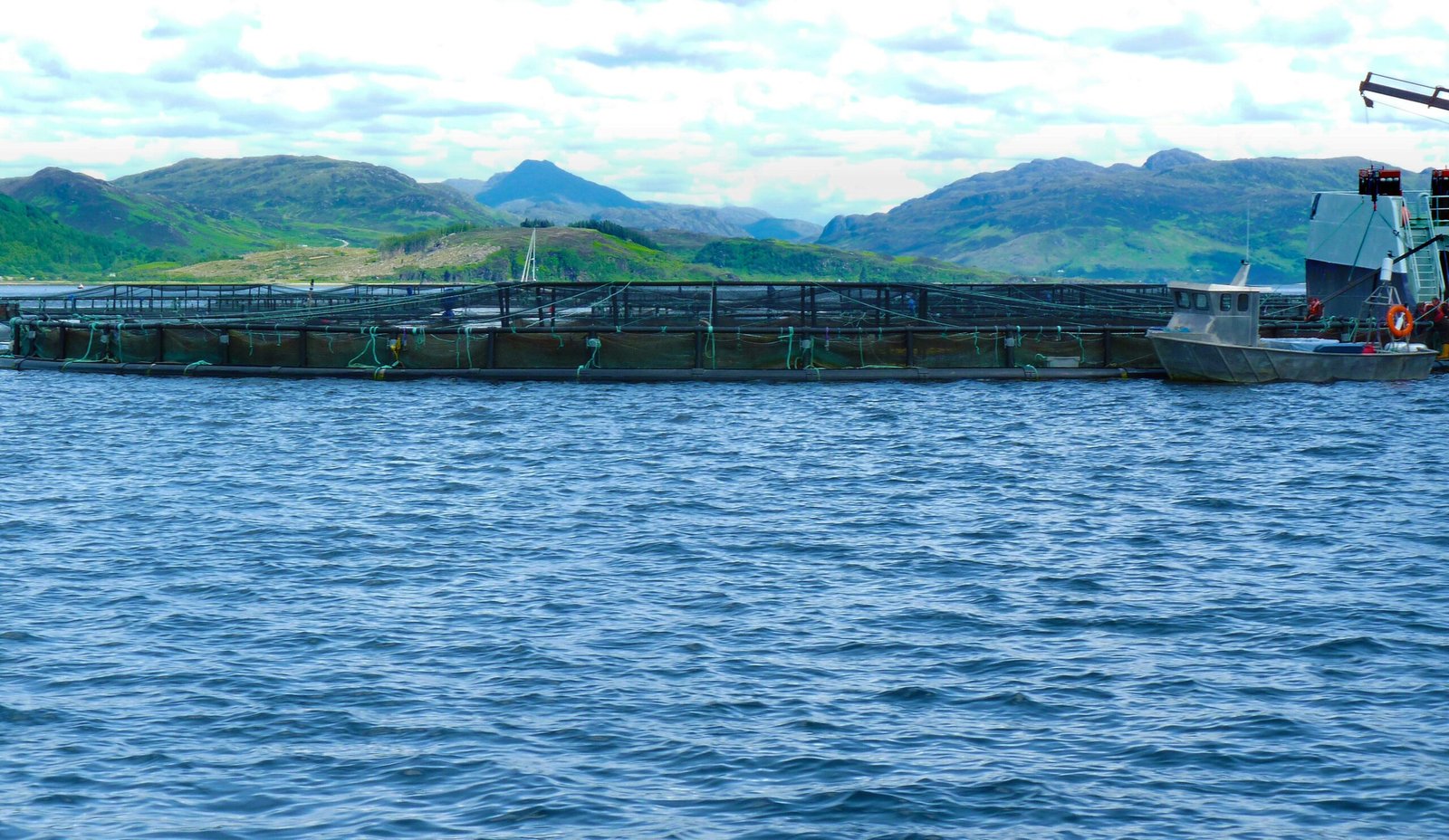
Salmon farming, a vital component of the global seafood market, has gained significant prominence over the past few decades. As the demand for seafood increases due to population growth and changing dietary preferences, aquaculture has emerged as a sustainable solution to meet this need. This is particularly evident in the Nordic countries, where innovative practices have been adopted to enhance the efficiency and sustainability of salmon production. The region, including Sweden, has become a leader in salmon farming, contributing significantly to both local and global seafood supplies.
The history of aquaculture can be traced back thousands of years; however, modern salmon farming began to take shape in the 1960s. In Sweden and its Nordic neighbors, advancements in breeding techniques, feeding practices, and disease management have revolutionized the way salmon is raised. These countries have established a framework that prioritizes environmental stewardship and animal welfare, seeking to balance commercial success with ecological sustainability. As a result, salmon farming in Sweden has evolved into a sophisticated industry that not only focuses on production but also on minimizing ecological footprints and ensuring the long-term health of marine ecosystems.
The economic impacts of salmon aquaculture are far-reaching. In Sweden, salmon farming provides employment for thousands of people, supporting coastal communities and contributing to regional economies. Furthermore, the industry’s growth has facilitated investments in research and technology, leading to innovations that enhance productivity and sustainability. Socially, the increased availability of farmed salmon has made this fish more accessible to consumers, fostering a culture of seafood consumption that benefits health and nutrition.
In light of the growing global demand for fish, it is critical for the salmon farming industry to adopt sustainable practices. These practices not only ensure the viability of salmon aquaculture but also safeguard the intricate balance of marine environments, making it essential for the future of global seafood supply.
Nordic Approaches to Sustainable Aquaculture
The Nordic model of aquaculture is recognized for its robust commitment to sustainable practices and environmental stewardship. This approach encompasses a combination of innovative technologies and ethical farming methodologies aimed at enhancing fish welfare while significantly reducing ecological impact. A cornerstone of this model is the use of Recirculating Aquaculture Systems (RAS), which allow for the continuous reuse of water. RAS technology not only conserves water but also facilitates the efficient removal of waste products, creating a controlled environment conducive to optimal fish growth.
Another pioneering technique in the Nordics is Integrated Multi-Trophic Aquaculture (IMTA). This practice integrates the cultivation of different species within a single aquaculture system, where the waste produced by one species serves as a nutrient source for another. For instance, in a salmon farming operation, the nitrogen-rich waste from salmon can support the growth of seaweed or shellfish, thereby promoting a more balanced ecosystem and reducing the dependency on external feed sources.
Several case studies exemplify the successful implementation of these sustainable practices. One notable example is a Swedish salmon farm that has adopted RAS technology. This farm not only boasts high survival rates for the fish but also minimizes its ecological footprint by significantly reducing water usage and eliminating any potential for pollution in local water bodies. Similarly, a Norwegian aquaculture operation employs the IMTA approach, effectively enhancing biodiversity and sustaining fish populations while boosting overall production efficiency.
By focusing on these innovative techniques and fostering a culture of sustainability, Nordic countries are setting a benchmark in the aquaculture industry. Their methodologies offer valuable insights and potential replicable practices for other regions aiming to develop a more responsible approach to fish farming, making them leaders in the field of sustainable aquaculture.
Swedish Regulations and Standards in Salmon Farming
Salmon farming in Sweden is governed by a robust regulatory framework that is designed to ensure sustainable practices and environmental protection. The regulations originate from both national legislation and European Union directives, which collectively work to uphold high standards in aquaculture. These regulations focus on various aspects, such as water quality, fish health, and feed ingredients, ensuring that aquaculture practices are environmentally responsible and socially acceptable.
One of the central components of these regulations is the stringent requirements for water quality in salmon farming operations. Farmers must regularly monitor parameters such as temperature, salinity, and oxygen levels to ensure an optimal environment for the fish, while also minimizing the impact on the surrounding ecosystem. By adhering to these water quality standards, salmon farmers contribute to the maintenance of biodiversity and the health of aquatic habitats.
In terms of fish health, Swedish regulations mandate comprehensive health management practices. Farmers are required to conduct routine health assessments and maintain biosecurity measures to prevent disease outbreaks. This proactive approach not only preserves the well-being of the salmon but also reduces the reliance on antibiotics, aligning with global trends towards responsible aquaculture.
The feed utilized in Swedish salmon farming must meet specific standards set forth by both national and EU regulations. This includes sourcing ingredients from sustainable fisheries and implementing practices that reduce environmental impact. Farmers are encouraged to use alternative feed sources, such as insects or plant-based proteins, to enhance sustainability.
Compliance with these regulations is monitored by Swedish authorities, who conduct inspections and assessments to ensure that farms meet established standards. Additionally, certifications from organizations like the Aquaculture Stewardship Council (ASC) and the Marine Stewardship Council (MSC) play a crucial role in promoting responsible aquaculture practices. Achieving these certifications demonstrates a commitment to sustainability and helps bolster consumer confidence in the products. Overall, the regulatory framework governing salmon farming in Sweden reflects a rigorous approach to maintaining high standards that benefit both the industry and the environment.
Challenges and Future Directions in Salmon Aquaculture
The salmon farming industry is navigating several pressing challenges that fundamentally impact its sustainability and viability. Among these challenges, disease management stands out as a critical concern. Pathogens such as sea lice and various viral infections can decimate fish populations, leading to significant economic losses and raising ethical questions surrounding animal welfare. As such, the industry must focus on enhancing biosecurity measures, implementing rigorous health management protocols, and investing in research to develop effective vaccines and treatments, to mitigate these risks.
Climate change also poses considerable threats to salmon aquaculture. Rising ocean temperatures can lead to altered growth rates, increased susceptibility to diseases, and disruptions in the salmon’s natural habitat. Furthermore, changing oceanic conditions can significantly affect the quality and availability of feed resources, which are essential for sustaining farmed salmon populations. To address these complications, researchers are exploring innovative solutions, such as developing more resilient salmon strains that can withstand varying environmental conditions, thereby bolstering the industry’s adaptability.
Market fluctuations represent another challenge that requires attention. The demand for sustainably farmed fish is on the rise, yet consumer preferences are constantly evolving, influenced by trends surrounding environmental consciousness and health. Consequently, aquaculture stakeholders must remain vigilant and responsive to these shifts to maintain market presence. This adaptability can be further enhanced by integrating advanced technologies into production processes, ensuring efficiency while also minimizing environmental impact.
Looking toward the future, advancements in sustainable feed sourcing and alternative protein sources present promising avenues for overcoming these challenges. Innovations in aquafeed, including plant-based ingredients and by-products from food processing, are being increasingly explored. These alternatives could reduce dependency on traditional fishmeal while also addressing the industry’s carbon footprint. As European consumers increasingly prioritize sustainability and ethical production, the Nordic salmon farming sector is well-positioned to lead the charge towards a more resilient and environmentally responsible future. Ultimately, informed strategies that encompass technological advancements and consumer insights will be essential in shaping the perception and reality of salmon aquaculture in the coming years.