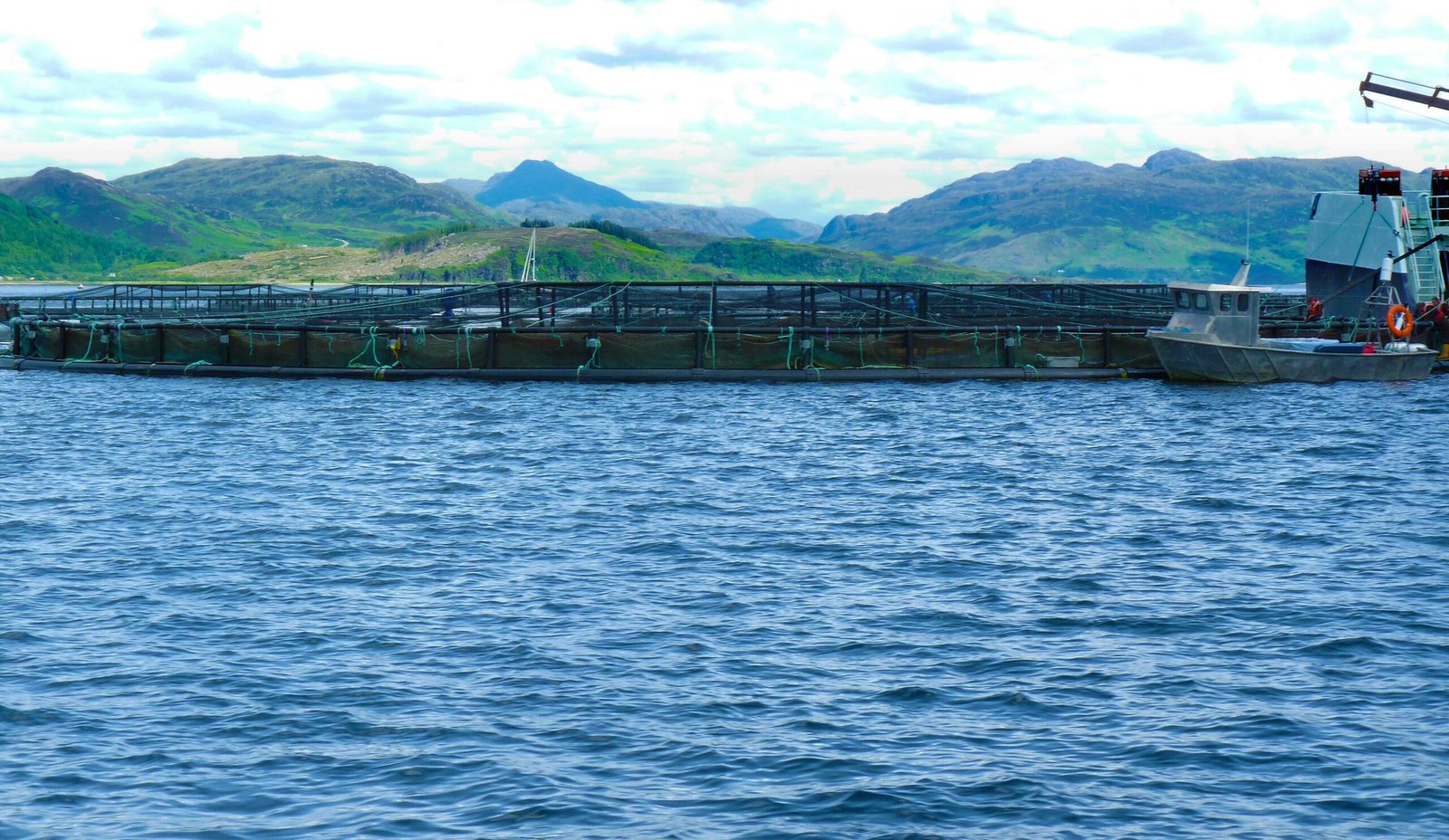
Exploring Salmon Fish Farming: Nordic and Swedish Practices
4 March 2025Understanding Salmon Fish Farming
Salmon fish farming, a prominent practice in Nordic and Swedish regions, plays an essential role in sustainable aquaculture. The methods used in this part of the world emphasize environmental stewardship, ensuring that salmons thrive in habitats that mimic their natural conditions. This practice not only supports local economies but also promotes responsible resource management.
Habitat and Conditions for Healthy Salmon
Creating the optimal habitat for farmed salmon requires a keen understanding of their natural environment. Nordic fish farming operations aim to replicate ideal conditions such as clean, cold waters and proper oxygen levels. These farms often utilize advanced technologies to monitor water quality and fish behavior closely, ensuring that salmon are not only healthy but also grow at an optimal rate.
Salmon as a Renewable Resource
Salmon fish farming exemplifies a renewable resource approach within aquaculture. By implementing sustainable practices, these farms can produce high-quality salmon without depleting natural populations. Moreover, the advancements in breeding technology lead to healthier fish that can thrive in controlled environments, reducing the impact on wild stocks. As consumers become more environmentally conscious, sourcing salmon from responsible farms is increasingly valued.
In conclusion, salmon farming in Nordic and Swedish regions offers insights into sustainable aquaculture practices that balance economic needs with ecological considerations. This approach not only promotes the health of the fish stock but also ensures the longevity of salmon as a vital protein source for future generations.